
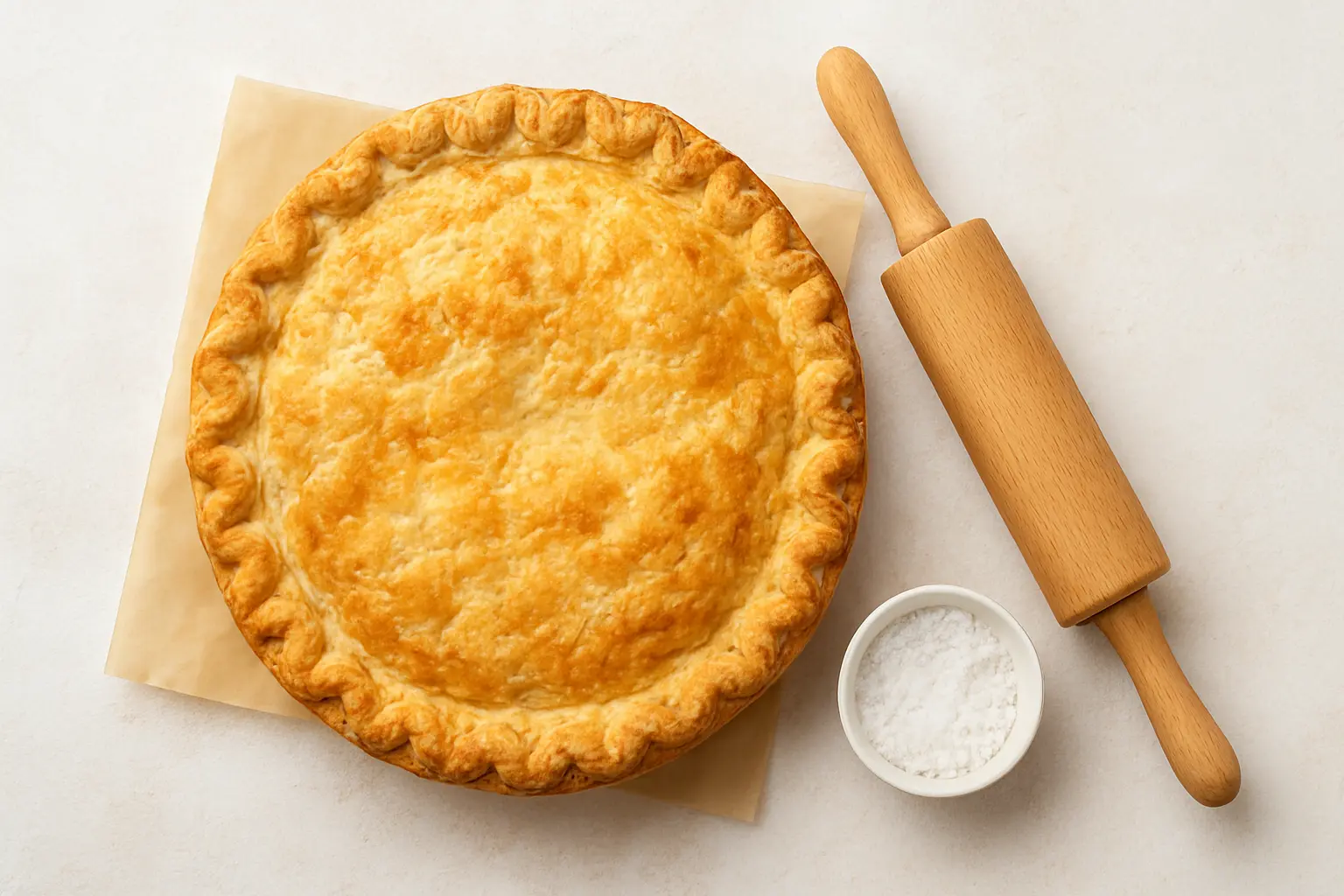
Find out how an easy flaky pie crust recipe works for any pie
There’s something deeply satisfying about pulling a pie from the oven and seeing a golden, crisp crust that flakes at the edges. You don’t need years of baking experience or complicated techniques to get there. When you understand how an easy flaky pie crust recipe actually works, you unlock a foundation that supports almost any pie you want to make—sweet or savory, classic or creative.
If you’ve ever felt unsure about pie dough, this guide is written for you. You’ll learn not only how to make a reliable crust, but why it works so well across different types of pies. By the end, you’ll feel confident enough to use one dough for nearly everything you bake.
Table of Contents
Why an Easy Flaky Pie Crust Recipe Works for Any Pie
A good pie crust isn’t about complexity. It’s about balance. When the ingredients and method are right, the same dough can support fruit fillings, custards, creamy pies, and hearty savory fillings without becoming soggy or tough.
The Science Behind Flaky Pie Crust
Flakiness doesn’t happen by accident. It’s the result of a few simple principles working together:
- Cold fat creates pockets in the dough
- Moisture turns into steam during baking
- Minimal gluten development keeps the crust tender
When you bake the crust, the cold butter melts and releases steam. That steam pushes layers of dough apart, forming flakes. If you overmix or warm the dough too much, those layers disappear.
This is why an easy flaky pie crust recipe relies on restraint. You’re not forcing the dough to behave—you’re letting it do what it naturally wants to do.
One Dough, Endless Possibilities
Because the flavor of this crust is neutral and balanced, it adapts easily. You don’t need a separate recipe for every pie.
You can use the same dough for:
- Apple, cherry, or berry pies
- Pumpkin, pecan, or chocolate custard pies
- Chicken pot pie or vegetable quiche
- Galettes, hand pies, and rustic tarts
That versatility is what makes this recipe worth mastering.
Easy Flaky Pie Crust Recipe Ingredients Breakdown
One of the reasons this recipe works so consistently is the short ingredient list. Each item plays a clear role, and none are unnecessary.
Simple Pantry Ingredients Explained
| Ingredient | Why You Need It | Notes & Options |
|---|---|---|
| All-purpose flour | Provides structure | Pastry flour works too |
| Cold butter | Creates flakiness and flavor | Can mix with shortening |
| Ice water | Brings dough together | Add slowly |
| Salt | Enhances flavor | Don’t skip it |
You don’t need sugar unless you’re making a very sweet crust. This neutrality is what allows the dough to work equally well for savory pies.
Step-by-Step Easy Flaky Pie Crust Recipe Method
The method matters just as much as the ingredients. When you follow these steps carefully, you set yourself up for success.
Preparing the Dough
- Mix dry ingredients
Combine flour and salt evenly so the seasoning is balanced throughout. - Cut in cold butter
The butter should be firm and cold. You want visible pieces, roughly pea-sized. - Add ice water gradually
Drizzle in small amounts, mixing gently until the dough just holds together. - Bring the dough together
Press it into a disk without kneading. If it looks rough, that’s a good sign.
The dough should feel cool and slightly crumbly, not sticky or smooth.
Resting and Rolling the Dough
Resting is not optional. When you chill the dough:
- The butter firms up again
- The gluten relaxes
- Rolling becomes easier
Chill the dough for at least 30 minutes before rolling. When you do roll it out, work from the center outward and rotate the dough frequently to prevent sticking.
My Experience with Easy Flaky Pie Crust
The first time I made this flaky pie crust, I was nervous about handling the dough. I worried it might turn out tough or crumbly. But once I followed a few simple steps—keeping the butter cold, handling the dough gently, and letting it rest—it turned out perfectly flaky and tender.
Over time, I’ve learned that small details make all the difference: the temperature of your ingredients, not overworking the dough, and giving it time to chill. Each batch feels like a little kitchen victory, and the flaky layers always impress family and friends. This crust has become my go-to whenever I bake pies, tarts, or even galettes.
Real Tips From My Kitchen
- Keep everything cold
Cold butter and water are essential. They create the pockets of steam that make the crust flaky. - Don’t overwork the dough
Handle the dough gently and minimally to prevent developing gluten, which can make the crust tough. - Use a pastry cutter or food processor
Cutting butter into flour evenly ensures a consistent, tender texture. - Rest the dough
Chilling the dough for at least 30 minutes helps prevent shrinking and keeps the layers flaky. - Roll out carefully
Use minimal flour on your surface and rolling pin to prevent sticking while avoiding excess flour, which can dry out the dough. - Blind bake when needed
For custard or cream pies, blind baking with pie weights prevents a soggy bottom. - Freeze extra dough
Wrap and freeze extra dough for future pies—it maintains its flakiness and is ready when you need it.
Creative Variations
- Classic Butter Crust
The traditional approach for all-purpose pies—sweet or savory. - Whole Wheat Flaky Crust
Substitute half of the flour with whole wheat flour for a nuttier flavor. - Almond or Nut-Infused Crust
Add ground almonds or hazelnuts for a subtle, aromatic twist. - Gluten-Free Crust
Use a gluten-free flour blend for a tender, flaky alternative. - Herbed Savory Crust
Add fresh herbs like rosemary, thyme, or sage for savory pies and quiches. - Sweetened Crust
Add a bit of sugar for fruit pies or tarts to enhance flavor and color. - Mini Pie Crusts / Tartlets
Use the same dough for individual pies or tartlets—perfect for parties or gifts.
How This Easy Flaky Pie Crust Recipe Adapts to Any Pie
What makes this recipe truly reliable is how easily it adjusts to different baking needs.
For Sweet Pies
Fruit pies benefit from a crust that holds its shape and absorbs some moisture without becoming soggy. This dough does exactly that.
Works well for:
- Apple pie
- Blueberry pie
- Peach or cherry pie
If you want a touch of sweetness, you can add a teaspoon of sugar without changing the texture.
For Custard and Cream Pies
Custard pies need stability. This crust can handle blind baking, which is essential for fillings like pumpkin or chocolate cream.
Tips for success:
- Chill the crust before baking
- Dock the base lightly
- Use pie weights if needed
For Savory Pies
Savory fillings are often heavier and richer. This crust supports them without collapsing.
Perfect for:
- Chicken pot pie
- Spinach and feta quiche
- Mushroom or vegetable pies
You can add herbs or grated cheese directly to the dough if you want extra flavor.
Common Mistakes That Prevent a Flaky Pie Crust
Even a good recipe can fail if small details are ignored. Avoid these common problems to keep your crust light and crisp.
What to Avoid
- Overmixing the dough
- Using warm butter
- Adding too much water
- Skipping the chilling step
Quick Self-Check
Before baking, ask yourself:
- Does the dough feel cool?
- Can you see small butter pieces?
- Is the surface smooth but not elastic?
If the answer is yes, you’re on the right track.
Pro Tips to Perfect Your Easy Flaky Pie Crust Recipe
Once you’ve made the recipe a few times, these tips will help you refine your results.
Baker-Approved Techniques
- Use a pastry cutter or your fingertips instead of a mixer
- Chill the dough again after shaping the pie shell
- Bake on a lower oven rack for a crisp bottom
Storage and Make-Ahead Tips
You don’t need to make pie dough the same day you bake.
You can:
- Refrigerate dough for up to 3 days
- Freeze dough disks for up to 3 months
- Freeze rolled crusts in pie pans
This flexibility makes baking less stressful and more enjoyable.
FAQ – Easy Flaky Pie Crust Recipe
Can this easy flaky pie crust recipe be used for both sweet and savory pies?
Yes. The neutral flavor and balanced fat content make it suitable for any type of pie without modification.
Why is my easy flaky pie crust recipe turning out tough?
Tough crust usually means the dough was overworked or too much water was added. Gentle handling is key.
Can you freeze this easy flaky pie crust recipe?
Absolutely. Freezing actually improves convenience without harming texture if the dough is wrapped well.
Does this easy flaky pie crust recipe work without a food processor?
Yes. In fact, making it by hand gives you better control and often better texture.
Conclusion: One Recipe, Endless Confidence
When you understand how an easy flaky pie crust recipe works, baking becomes simpler and more rewarding. You no longer need multiple recipes or second guesses. You have one dependable dough that adapts to your ideas, your fillings, and your schedule.
This crust gives you freedom. You can bake seasonally, experiment with flavors, or stick to classics—all without worrying about the foundation.
Now it’s your turn. Try this easy flaky pie crust recipe, experiment with a filling you love, and see how versatile one simple dough can be.
If this guide helped you, save it, share it, or leave a comment with your favorite pie—you might inspire someone else to bake with confidence. 🥧
There are no reviews yet. Be the first one to write one.